Profile Wrapping Consulting
Manufacturers know that the future of production is powered by efficiency. We help you navigate all the factors that go hand in hand with profile wrapping. Our consulting experts are here to guide you in improving your profile wrapping process so that your production lines are more effective. We ensure you have everything from maintenance and production strategies to lean production systems, and quality control processes incorporated in your profile wrapping production.
How We Work with You
Our profile wrapping consulting experts coach and enable our clients on strategic and operational initiatives, helping them streamline their production lines. Our experts are backed by 45 years of profile wrapping experience with proven data and metrics, who work with you to cut through complexity and provide successful production outcomes.
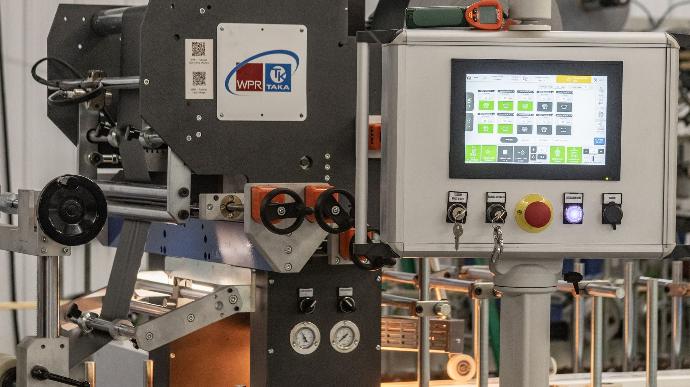
We improve your production process by evaluating your machine configuration and operations while providing the best practices for overall production.
Determine the best approach for machine setup for profiles, evaluating test runs, and dialing in settings for overall efficiency and productivity.
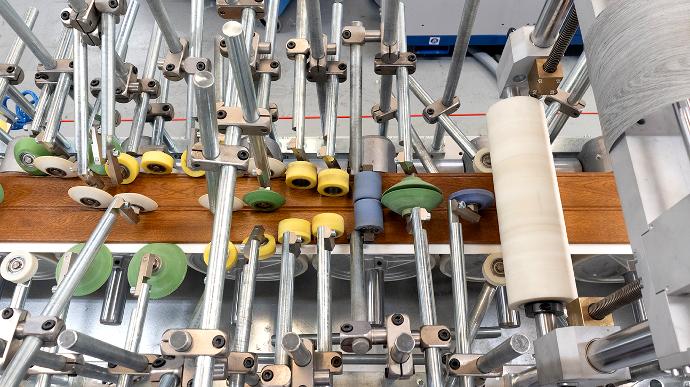
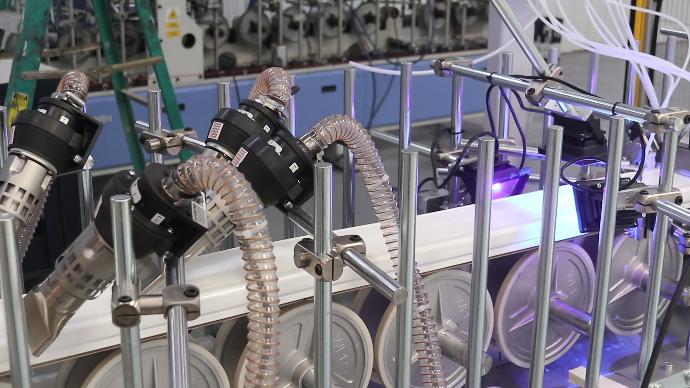
We understand that “trying out” certain glues or films can incur costs. We can assist with material recommendations such as selecting adhesives, overlay materials, felt pads, and rollers, for faster setup and production.
We also have a large network of knowledgeable contacts in the industry. This opens the door to vendors and resources quicker to grow your profile wrapping business faster.
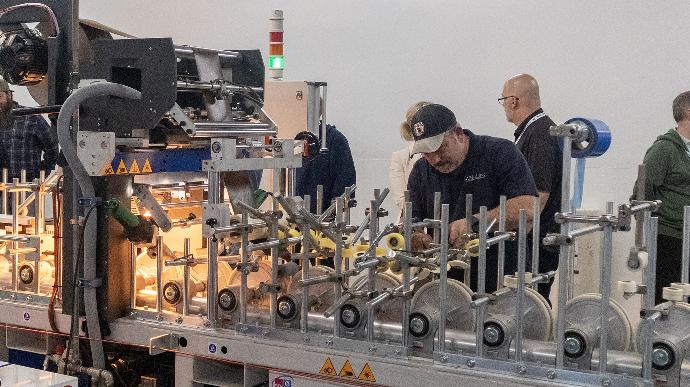
Solutions at your fingertips.
Learn about our profile wrapping capabilities.
FAQ on Profile Wrapping
A wide range of industries use profile wrapping technology from the woodworking and metalworking industries to building material manufacturers.
Almost any type of substrate can be wrapped. Listed below are just a few examples.
Wood/Wood Composites | Plastics | Metals |
Solid Wood | PVC (polyvinyl chloride) | Aluminum |
MDF (Medium-density fiberboard) | PP (polypropylene) | Steel |
HDF (High density fiberboard) | ABS (acrylonitrile-butadiene-styrene) | Other metals* |
Plywood | Expanded polystyrene | |
Extruded wood (plastics+sawdust) |
*Ask our Profile Wrapping Experts about metals or alloys specific to your manufacturing needs.
The most common material used is Vinyl. Vinyl offers a wide assortment of solid colors, printed patterns, and textured surfaces. Different topcoats are available for indoor and outdoor use as well.
Next is wood veneer. This is most common in the woodworking industry as it allows wood composites such as MDF to be covered with a hardwood veneer like maple or oak. Some wood veneers can then be stained afterward if desired.
Paper for profile wrapping can come in many colors and patterns. Perfect for wrapping very complex profiles and ideal for home décor, interior products, and more.
Lastly are laminates. Laminates are decorative papers impregnated with resins. They offer more durability than paper but are more difficult to wrap due to less flexibility. So, profiles with sharp edges are not recommended. Laminates are primarily used in the flooring industry as they can withstand heavy foot traffic and wear.
The most common adhesive is hot melt. The advantages of hot melt are higher transport speed and a wider combination of bonds between materials. Hot melt is separated into two categories: non-humidity-reactive and humidity-reactive.
Non-Humidity-Reactive | Humidity-Reactive |
EVA (Ethylene-Vinyl-Acetate) | PUR (Polyurethane-Reactive) |
APAO (Amorphous-Poly-Alpha-Olefin) | APAO-R (Amorphous-Poly-Alpha-Olefin-Reactive) |
Humidity-reactive hot melt glue is received during the interlacing of a chemical compound (isocyanates) with the humidity from the air. After the interlacing is finished (approx. 3-5 days) it is impossible to re-activate and/or liquefy the glue. The developed adhesive compounds possess extreme temperature and water resistance.
There are also water-based glues (PVA, PVAc) and solvent-based glues (Polyurethane). Water-base glues require higher energy consumption and very low speeds which reduce the ability for complex profile wrapping. Solvent-based glues are not recommended due to emission-protection policies.
With any process, several variables are involved, the main factors with profile wrapping are feed, speed, and temperature. A great starting point is this formula:
Width of overlay material in meters X Transport speed in m/min X 60 Minutes X Grammage per sqm in Kg/sqm = Mass of glue in Kg/h.
For example:
Overlay material 250 mm = 0.25 m X 40 m/min X 60 minutes X 50g/sqm = 0.05 Kg/sqm = 30 Kg/h.
The melting capacity varies depending on the glue type and manufacturer. Sample tests are always recommended.
Other variables are substrate material, type of wrapping/film material being applied, and production environment, to name a few. If you need expert advice on where to start, contact us for a Profile Wrapping Consultation.
The type of adhesive necessary will be determined by the end use of the product. If the product is a building material such as decking, then the adhesive (and film) needs to be durable and weather-resistant.
Our experts will work with you on selecting the best adhesives you need for your profile wrapping.